Inside the Kitchen
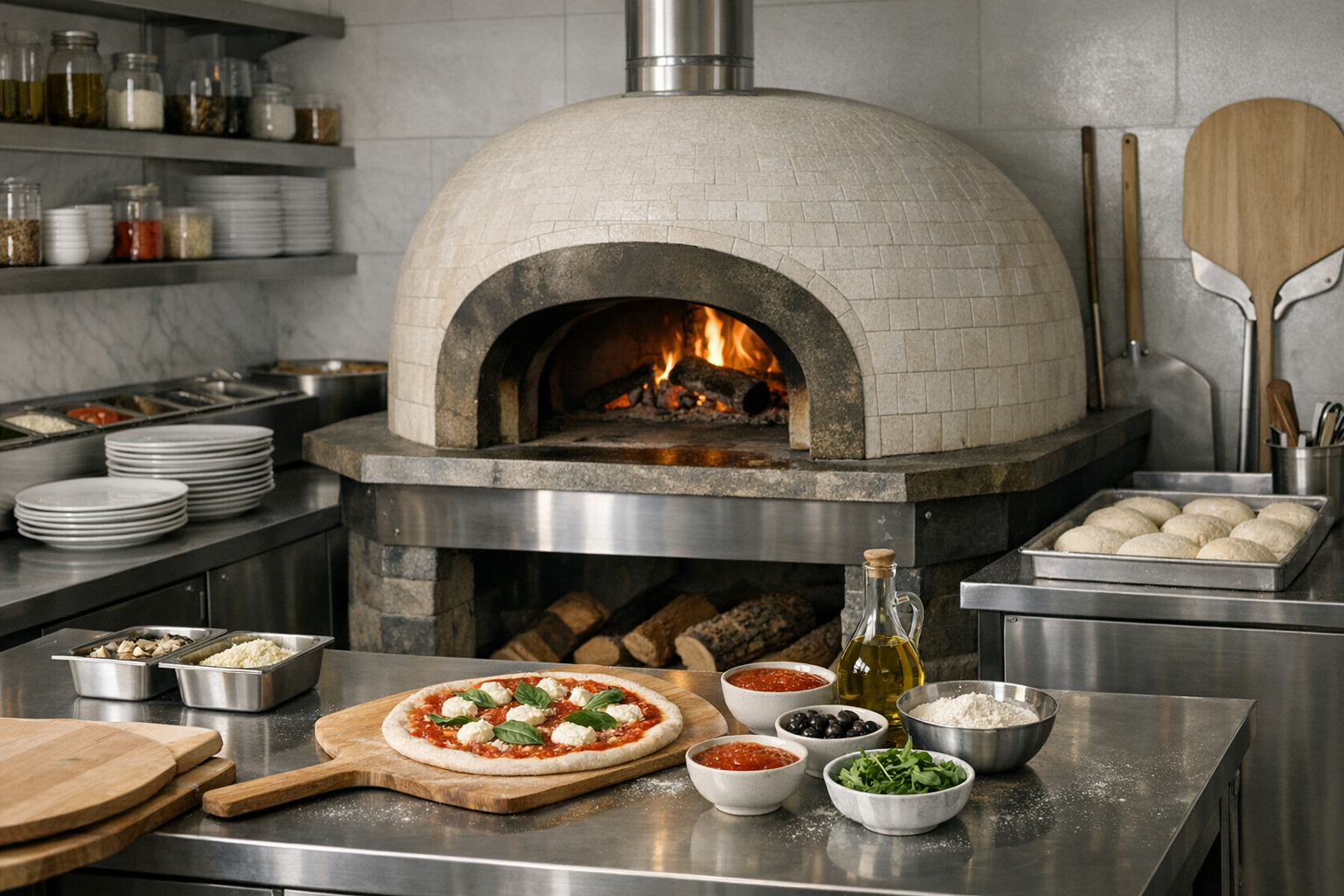
The pizzeria kitchen operates as a specialized environment designed for the efficient production of high-quality pizzas. Unlike general restaurant kitchens that must accommodate diverse menu items and cooking methods, pizzeria kitchens are organized around a central focus: pizza preparation and baking. This specialization allows for optimized workflows, specialized equipment, and staff expertise specifically developed for pizza production.
Dough Preparation
Dough preparation typically begins well before service hours, with many pizzerias starting the process the previous day or early in the morning. This extended timeline allows for proper fermentation, which develops flavor and improves texture. The dough preparation process involves several distinct stages:
- Mixing: Combining flour, water, yeast, and salt in precise proportions to create a homogeneous dough
- Kneading: Working the dough to develop gluten structure, which provides the elasticity needed for stretching
- Bulk fermentation: Allowing the dough to rise at controlled temperatures, developing flavor and texture
- Dividing: Separating the bulk dough into individual portions sized for specific pizza types
- Ball formation: Shaping portions into tight balls that will be stretched into pizza rounds
- Final fermentation: Allowing dough balls to rest and develop further before use
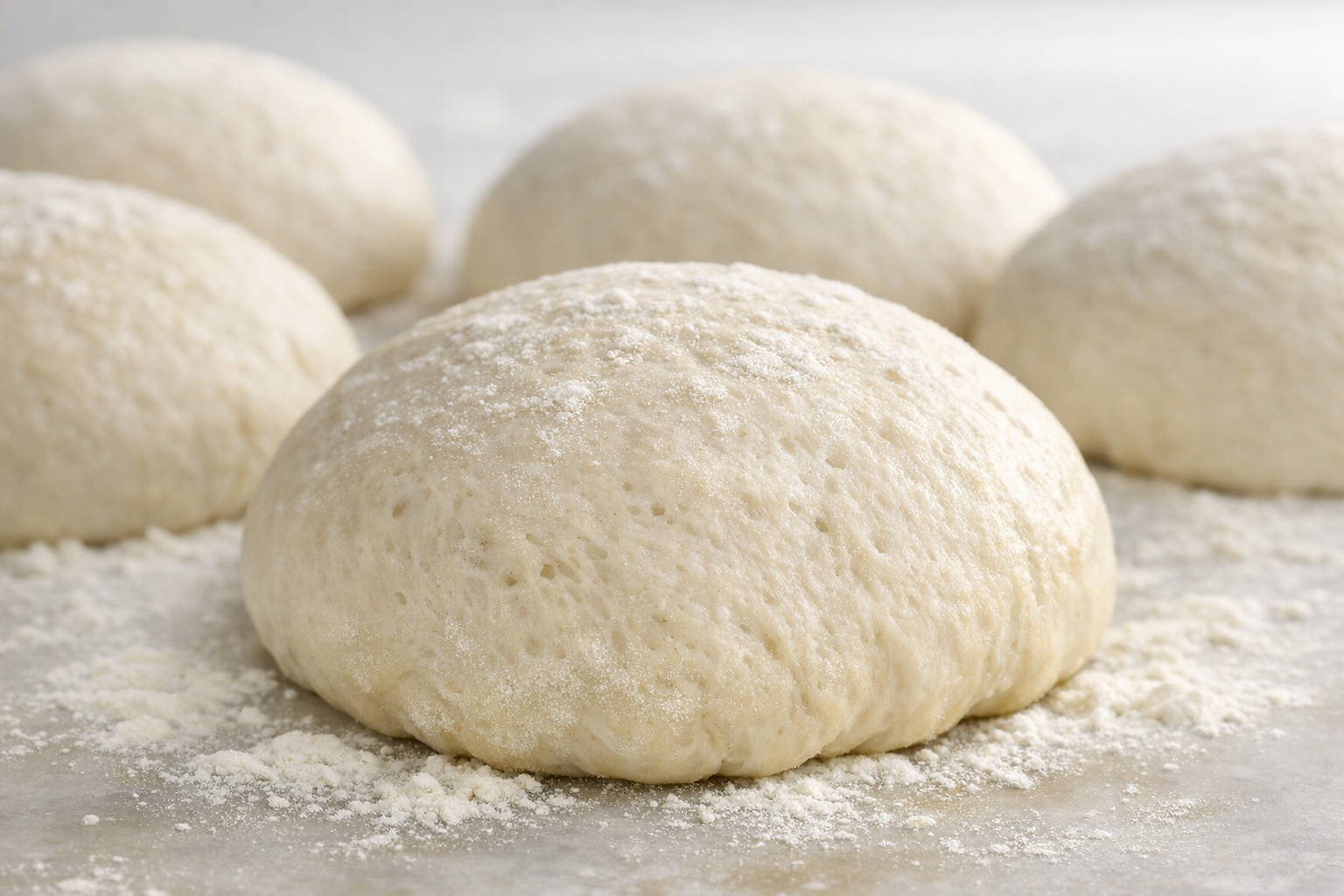
The dough preparation area typically features large work surfaces, often made of stainless steel or wood, where pizza makers can stretch and shape dough efficiently. These surfaces must be clean, smooth, and properly maintained to prevent sticking and ensure consistent results. Dough balls are stored in covered containers or proofing boxes that maintain appropriate humidity and temperature levels until needed for service.
The skill required for proper dough preparation cannot be overstated. Experienced pizza makers develop an intuitive understanding of dough consistency, fermentation timing, and stretching techniques that allows them to produce consistent results even as environmental conditions change. This expertise represents a significant component of pizzeria operations and contributes substantially to the quality of the final product.
Sauce and Ingredient Preparation
While dough forms the foundation of pizza, the sauce and various toppings provide the flavor complexity that distinguishes different pizza styles and individual pizzerias. The preparation of these elements requires careful attention to quality, consistency, and efficient organization.
Sauce preparation in pizzerias varies according to regional traditions and individual recipes. Some establishments use simple tomato sauces with minimal seasoning, while others prepare complex sauces that simmer for extended periods with various herbs, spices, and aromatics. Regardless of the specific recipe, sauce preparation typically involves cooking tomatoes to concentrate flavors, balancing acidity with sweetness, and seasoning to achieve the desired flavor profile. Prepared sauces are stored in containers that allow for easy access during service while maintaining appropriate temperature and freshness.
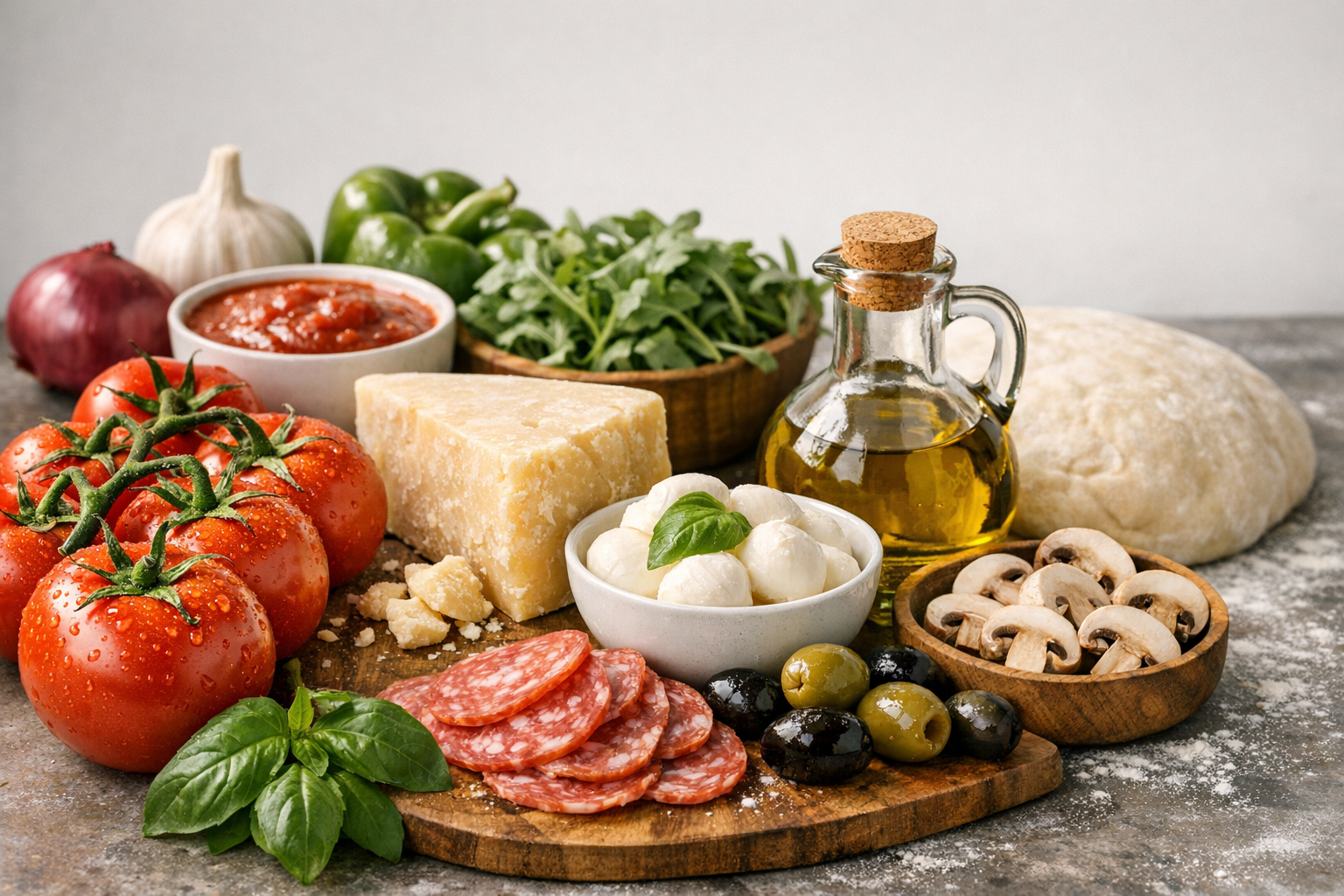
Cheese preparation represents another critical kitchen function. Mozzarella, the standard pizza cheese, must be grated or shredded to appropriate sizes for even melting and distribution. Some pizzerias use pre-shredded cheese for consistency and efficiency, while others grate cheese in-house for better quality control. Additional cheeses, such as parmesan, provolone, or specialty varieties, are prepared according to their specific requirements and usage patterns.
Topping preparation involves washing, cutting, and organizing a wide variety of ingredients. Vegetables must be cleaned and cut to appropriate sizes, meats may require cooking or preparation, and specialty items need particular handling to maintain quality. The topping station is typically organized for maximum efficiency, with frequently used items positioned for easy access and less common ingredients stored nearby but out of the way. This organization allows pizza makers to assemble pizzas quickly without sacrificing quality or consistency.
Assembly and Baking
The assembly and baking stages represent the most visible and dynamic aspects of pizzeria kitchen operations. This is where the various prepared components come together to create finished pizzas, and where the specialized equipment and techniques of pizzeria operations are most evident.
Pizza assembly typically occurs at a dedicated station positioned near the oven for efficient workflow. The pizza maker begins by stretching a dough ball into a round of appropriate size and thickness. This stretching process requires skill and practice, as the dough must be handled gently to preserve the gluten structure while being stretched evenly to the desired dimensions. The stretched dough is then transferred to a peel—a long-handled tool used to slide pizzas into and out of the oven.
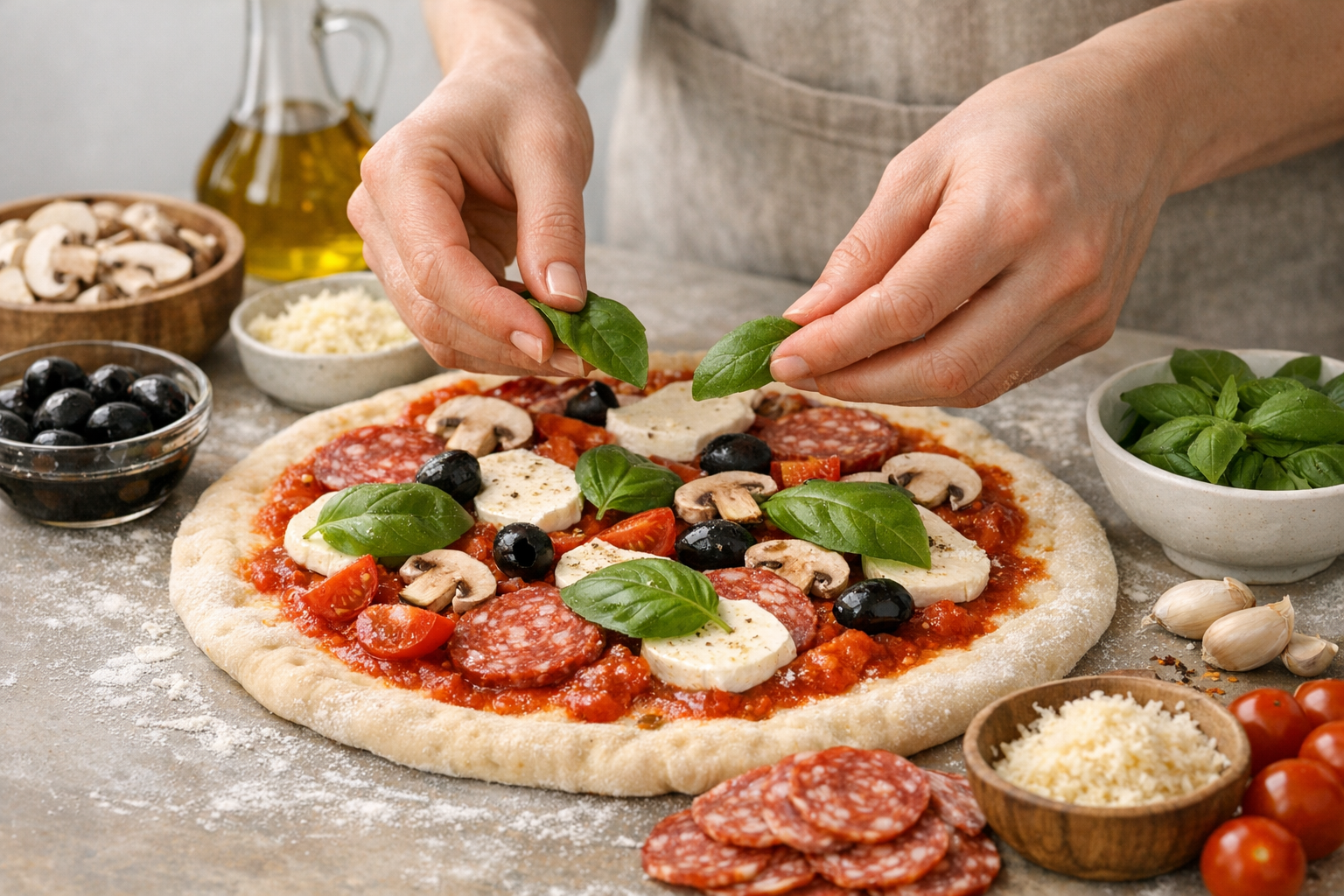
Once the dough is on the peel, the pizza maker applies sauce, cheese, and toppings according to the specific order and established patterns. The application technique varies according to pizza style and individual preferences, but generally involves even distribution of ingredients to ensure consistent flavor and texture across the entire pizza. The assembled pizza is then transferred to the oven using the peel, a process that requires coordination and practice to execute smoothly.
The baking process varies significantly according to oven type and pizza style. Wood-fired and coal-fired ovens operate at very high temperatures, often exceeding 800 degrees Fahrenheit, and can cook pizzas in under two minutes. These ovens require constant attention and rotation of pizzas to ensure even cooking. Gas and electric ovens typically operate at lower temperatures, around 500 to 600 degrees Fahrenheit, and require longer baking times of eight to fifteen minutes. Regardless of oven type, the baking process transforms the raw components into a cohesive dish, with the crust developing structure and color, the cheese melting and browning, and the toppings cooking to appropriate doneness.
Serving Organization
The final stage of pizzeria kitchen operations involves organizing finished pizzas for service. This stage requires coordination between kitchen staff and front-of-house personnel to ensure that orders are delivered accurately and efficiently.
When pizzas emerge from the oven, they are typically transferred to cutting boards where they are sliced into portions. The cutting pattern varies according to pizza size and customer preference, with most pizzas cut into six to eight equal slices. Some establishments cut pizzas into smaller squares, particularly for rectangular or Sicilian-style pizzas. The cutting process requires sharp knives or pizza cutters and careful technique to avoid damaging the crust or disturbing toppings.
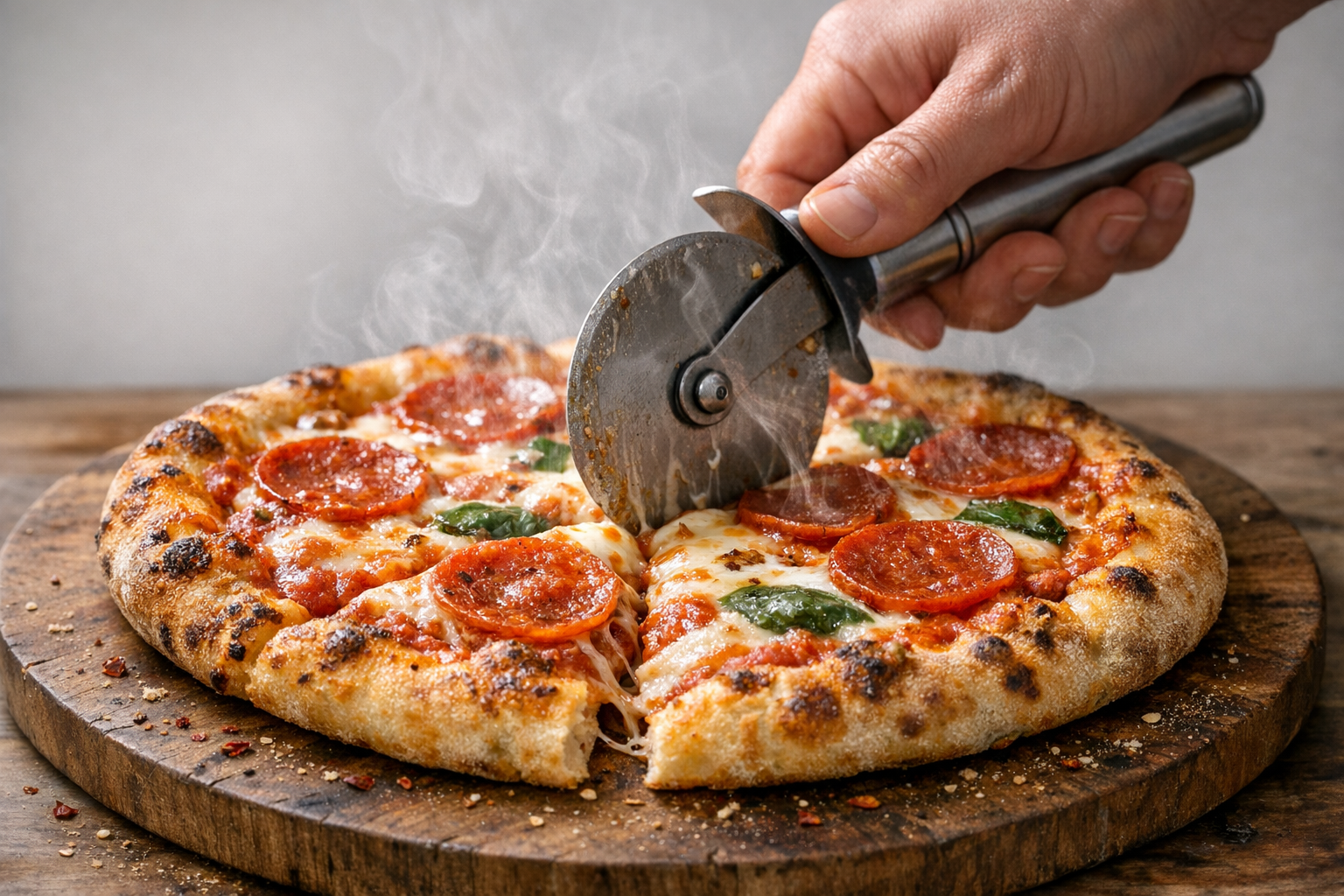
After cutting, pizzas are transferred to serving plates or boxes according to whether they are for dine-in or takeout service. Dine-in pizzas are typically placed on metal trays or ceramic plates that can withstand the heat and allow for easy handling. Takeout pizzas are boxed in specialized containers that maintain temperature and prevent sogginess during transport. The boxing process must be performed quickly to maintain pizza quality, as extended exposure to air can cause the crust to become tough and the cheese to congeal.
Organization is critical during the serving stage, particularly during busy periods when multiple orders may be completed simultaneously. Kitchen staff must track which pizzas belong to which orders, ensuring that each customer receives the correct items. This tracking typically involves order tickets, verbal communication, or electronic systems that match completed pizzas with customer orders. Efficient organization prevents errors and delays, contributing to overall customer satisfaction.
The specialized workflow of pizzeria kitchens, from dough preparation through serving organization, reflects the focused nature of the pizzeria format. By optimizing each stage of pizza production for efficiency and quality, pizzerias can consistently deliver products that meet customer expectations while maintaining the operational characteristics that distinguish them from other restaurant types. This specialized approach to kitchen operations represents a key component of what makes pizzerias unique within the American restaurant landscape.